
California Bans TCA in Cosmetics Starting January 1, 2027
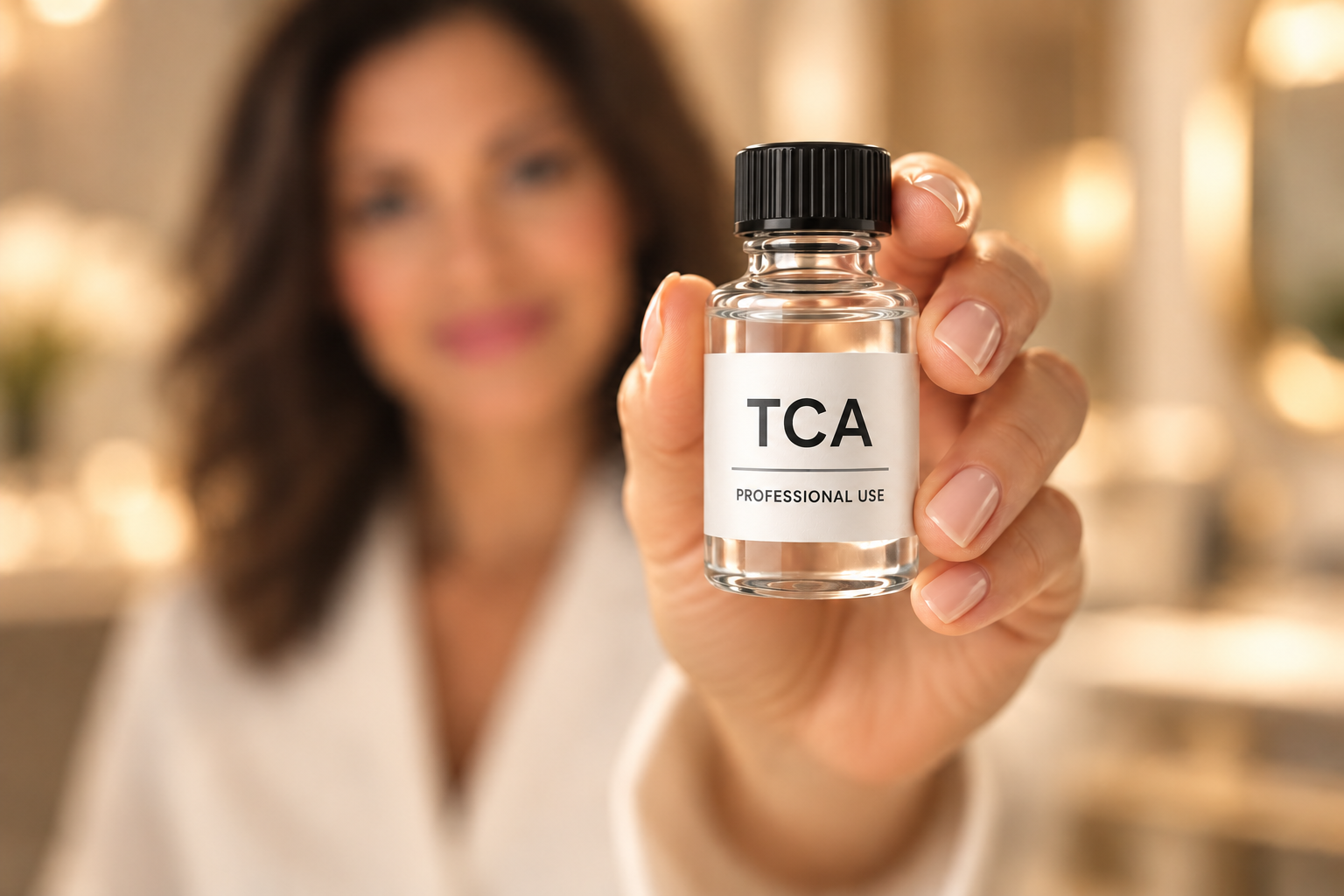
Yes, California is banning TCA in cosmetics: starting January 1, 2027, California AB 496 bars cosmetic products made with trichloroacetic acid (TCA), an ingredient used in many chemical peels. If your California clinic offers TCA peels, now is the time to check what's on your shelf, before the new year arrives.
By Amber Bechthold, Founder & CEO of Aesthetic Compliance Experts · Esthetician with 25 years in medicine and aesthetics · Last reviewed October 24, 2026
Key Facts at a Glance
State: California
Law: AB 496, which expands the Toxic-Free Cosmetics Act
Signed: October 8, 2023, by Governor Gavin Newsom
Effective date: January 1, 2027
What it does: adds 26 ingredients to the list banned in cosmetic products, including trichloroacetic acid (TCA)
Who it affects: anyone making, selling or delivering cosmetic products in California
Narrow exception: tiny trace amounts that can't be avoided, such as impurities left over from another ingredient, processing or packaging
Why TCA Matters in Your Treatment Room
TCA is a common active ingredient in medium-depth chemical peels. That makes this one of the rare cosmetics laws that can reach a med spa's service menu, not just a retail shelf.
Does This Apply to My Clinic?
If you practice in California, it's worth a look. If you practice anywhere else, this law doesn't apply to you.
For California clinics, the key question is how your specific peel product is classified and labeled. Professional products don't all fall into the same category, and that classification decides whether the ban reaches them. Don't guess on this one. Get the answer from your supplier and your attorney.
Questions to ask your peel supplier
Does this product contain TCA?
Is it sold as a cosmetic in California, or as something else?
Are you changing the formula to remove TCA, or will you stop selling this product in California after January 1, 2027?
Can you put your answer in writing?
Outside California? Keep Watching
California often sets the pace for ingredient rules that other states follow. Even if this law doesn't touch your clinic today, it's a good reminder to know exactly what's in the products your team uses on patients.
Frequently Asked Questions
Can I still offer TCA peels in California after January 1, 2027?
It depends on the product. AB 496 bans cosmetic products that contain trichloroacetic acid (TCA). Whether a specific professional peel counts as a cosmetic under California law depends on how it is classified and labeled. Ask your supplier in writing and confirm with your attorney before January 1, 2027.
What is California AB 496?
AB 496 is a California law signed on October 8, 2023. It adds 26 ingredients, including TCA, to the list of ingredients banned in cosmetic products under the Toxic-Free Cosmetics Act. It takes effect on January 1, 2027.
Does AB 496 apply to med spas outside California?
No. AB 496 is a California law and applies only to cosmetic products made, sold or delivered in California.
Where can I see the full list of banned ingredients?
The full list of 26 ingredients is in the chaptered text of AB 496. The ban is codified in California Health and Safety Code section 108980.
What This Means for Your Clinic
If your clinic is in California:
Inventory every peel and topical you use or sell, and flag anything containing trichloroacetic acid (TCA).
Ask your supplier in writing whether each flagged product is affected and what their plan is for January 1, 2027.
Don't stock up on TCA products you may not be able to use after the new year.
If you switch peels, make sure your medical director signs a protocol for the new product before the first patient is booked, and update your consent forms to match.
Bring your questions to your attorney so you know exactly where your products stand.
Need a legal answer for your California clinic?

ACE works with Doris Dike, Esq., founder of Dike Law Group PLLC, our outside legal counsel. Her office includes an attorney licensed in California who can help you understand how AB 496 applies to the products in your treatment room.
Phone: (972) 290-1031
Office: 6160 Warren Parkway, Suite 100, Frisco, TX 75034
Book a call: dklawg.com/contact
Have questions about how this applies to your clinic? Book a free 30-minute Gap Analysis Call or text us anytime at (817) 442-7484.
About the author
Amber Bechthold is the founder and CEO of Aesthetic Compliance Experts. She is an esthetician with about 25 years in medicine and aesthetics, has worked in medical aesthetics since 2016, and is a member of the Health Care Compliance Association (HCCA).
This post is educational. It is not legal advice, and requirements differ by state and by practice. Confirm how any change applies to your clinic with your own attorney or your licensing board.
